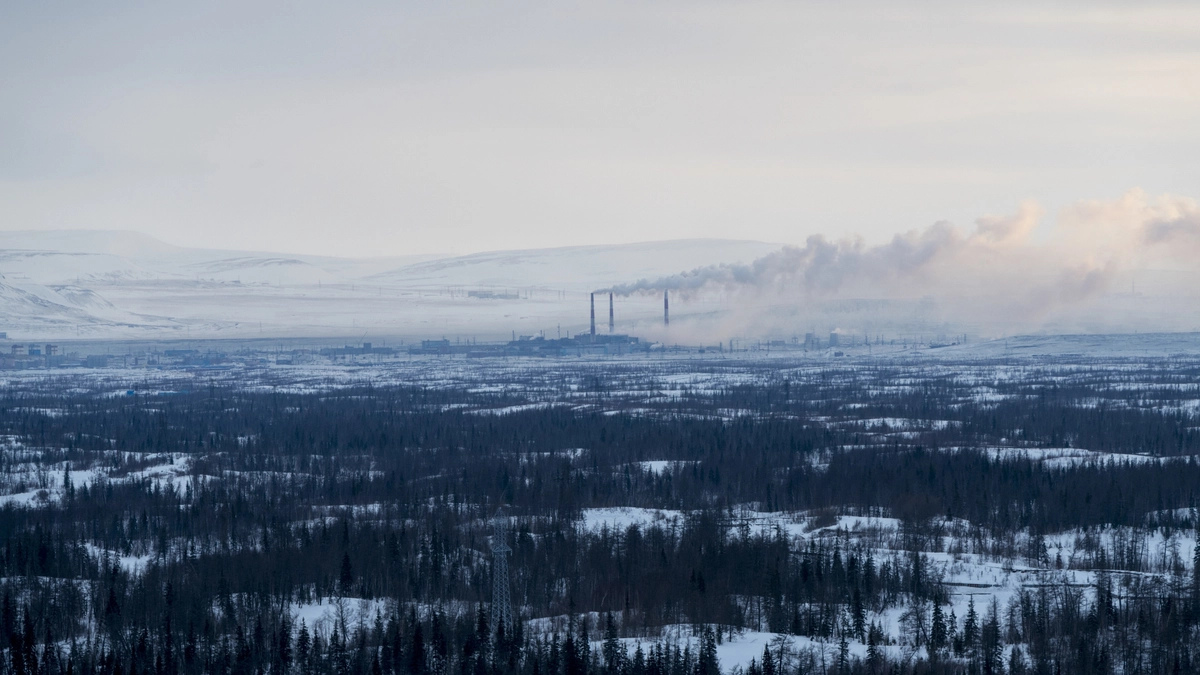
Russia has begun commercial oil exports from the Vostok Oil cluster, the country's largest oil development since the collapse of the Soviet Union, sending the first shipments of crude to Asia aboard ice-class tankers via the Northern Sea Route.
Source: The Moscow Times
Details: Rosneft, a major Russian state-controlled oil and gas company, has begun loading four specialised ice-class tankers at the Bukhta Sever terminal. They will transport the first oil from the new fields to Asia.
The Aframax-class tanker Akademik Gubkin and Panamax-class vessel Valentin Pikul have already taken on oil after Russian leader Vladimir Putin officially announced the launch of the project on 5 September. Two more Aframax tankers, Vladimir Monomakh and Vladimir Vinogradov, are expected to be loaded in the coming days, according to LSEG vessel-tracking data.
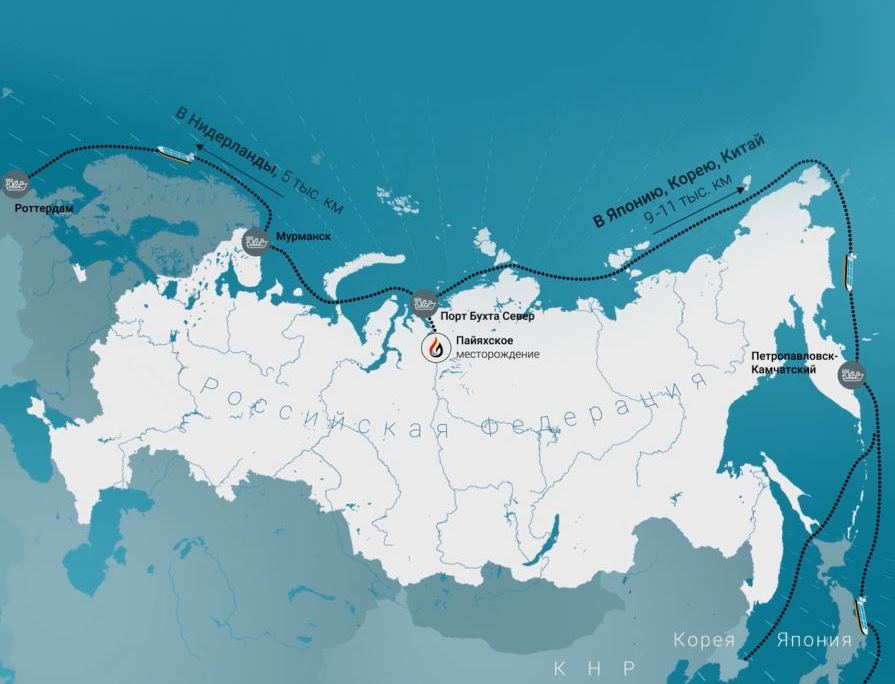
At the initial stage, exports will amount to 150,000 barrels per day, but the plan is to increase this to 1 million barrels per day by 2030.
The Vostok Oil cluster comprises more than 13 fields in Taimyr and eastern Siberia, with reserves of around 51 billion barrels. According to the Federal Agency for Mineral Resources (Rosnedra), this is approximately one-fifth of Russia's total proven oil reserves of 220 billion barrels, while the project's overall production potential is estimated at 2 million barrels per day.
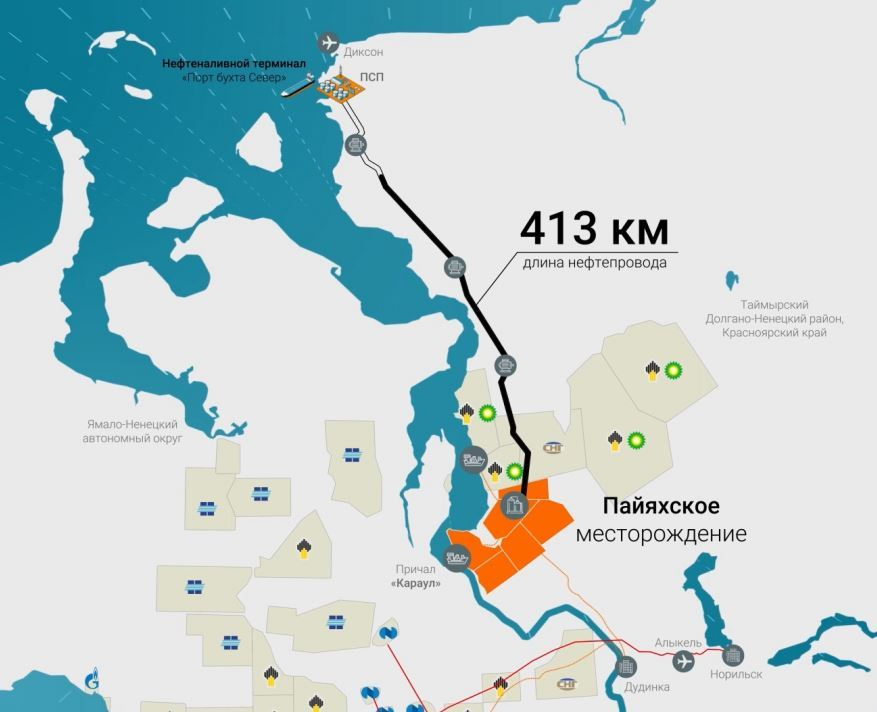
The scale of the project makes Vostok Oil Russia's largest oil development since the collapse of the Soviet Union. To facilitate its implementation, Rosneft CEO Igor Sechin secured 2.6 trillion roubles (about US$31 billion) in tax breaks from Putin.
Quote: "There are no other fields with a similar resource base left in Russia. In 2017, Rosnedra sold the last major field from the unallocated subsoil fund – the Erginskoye field in the Khanty-Mansi Autonomous Okrug, with reserves of around 100 million tonnes (it was also acquired by Rosneft). Deposits discovered in subsequent years mostly belonged to the 'small' and 'very small' categories."
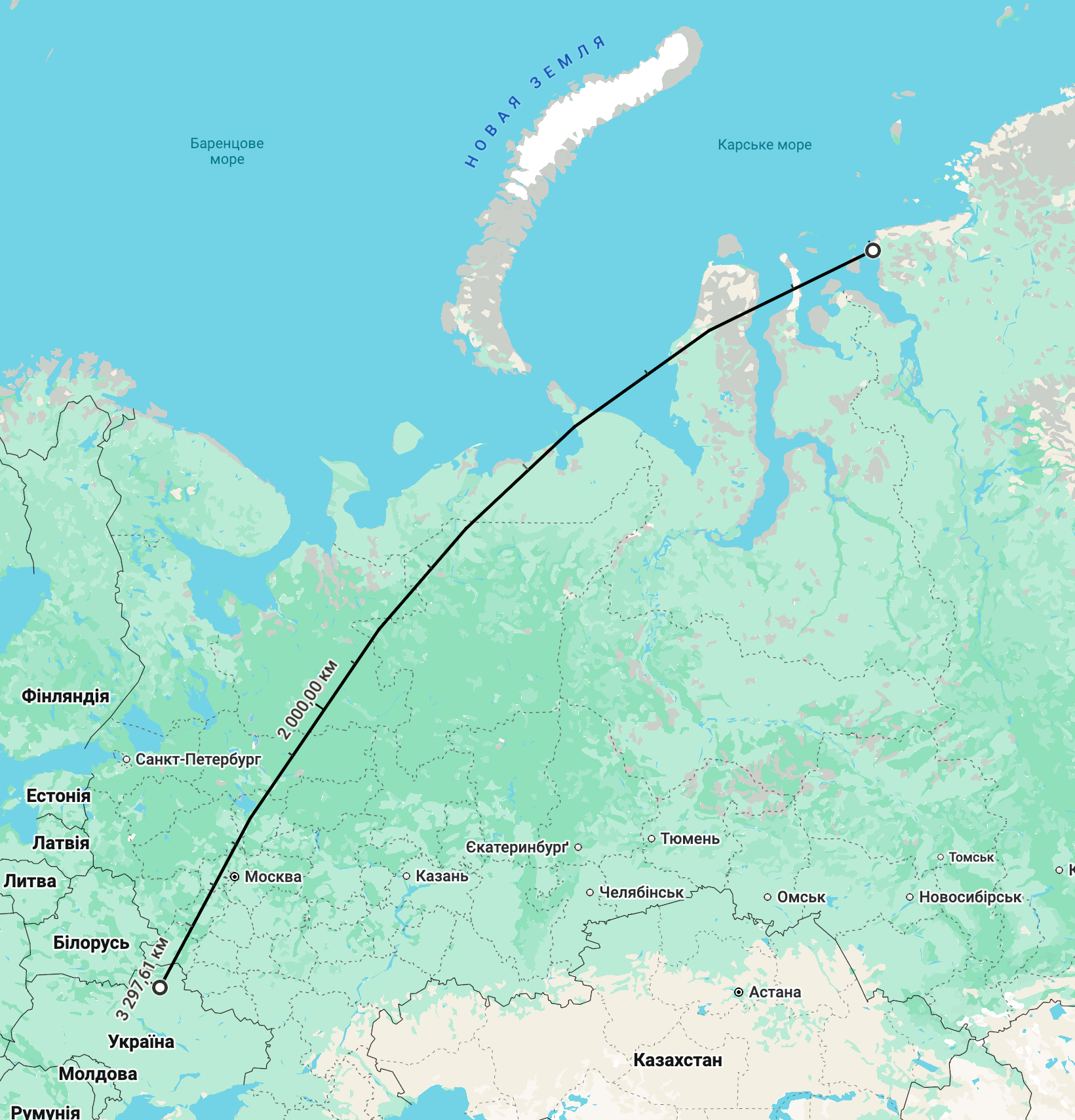
Details: The project's distance from the war zone has become a strategic advantage for Russia. The Arctic terminal is located more than 3,000 kilometres from the border with Ukraine and allows Russia to transport oil to Asian markets via the Northern Sea Route while strikes on port infrastructure in the Black and Baltic seas have significantly increased operational risks.
Background:
- The polar fields were discovered during the Soviet era, but were effectively mothballed in the 1990s. In 2019, Rosneft revived the project, attracting substantial foreign investment.
- In 2020 and 2021, international commodity trader Trafigura and a consortium involving Vitol acquired stakes in Vostok Oil. However, after Russia launched its full-scale invasion of Ukraine in 2022, Western partners, including oil giant BP, sold their assets and withdrew from the project.
- Due to Western sanctions and the withdrawal of capital, Rosneft was forced to postpone its initial plans to launch production and exports for several years. In January 2025, the US Department of the Treasury imposed direct blocking sanctions on Vostok Oil and its operator RN-Vankor, further restricting the project's access to international markets.
Support Ukrainska Pravda on Patreon to help us keep reporting!
Originally reported by Ukrainska Pravda by Ivan Diakonov. Read the full story at the source.
Comments
No comments yet. Be the first to share your thoughts.
Leave a Comment