
Public safety isn’t only about how we respond after a shooting. Arguably more importantly, it’s about what we do to prevent one.
That need has been painfully clear in Minneapolis. Earlier this month, a shooting in downtown Minneapolis left two people dead, as well as the shooter, and injured multiple civilians and police officers. It was another devastating act of gun violence in a city that already experienced a violent summer.
That’s why Minneapolis Mayor Jacob Frey’s proposed 2027 budget, which cuts $2.6 million from the city’s violence interruption program, is deeply concerning.
Related: Frey wants to cut public safety funding for violence interrupters. But at what cost?
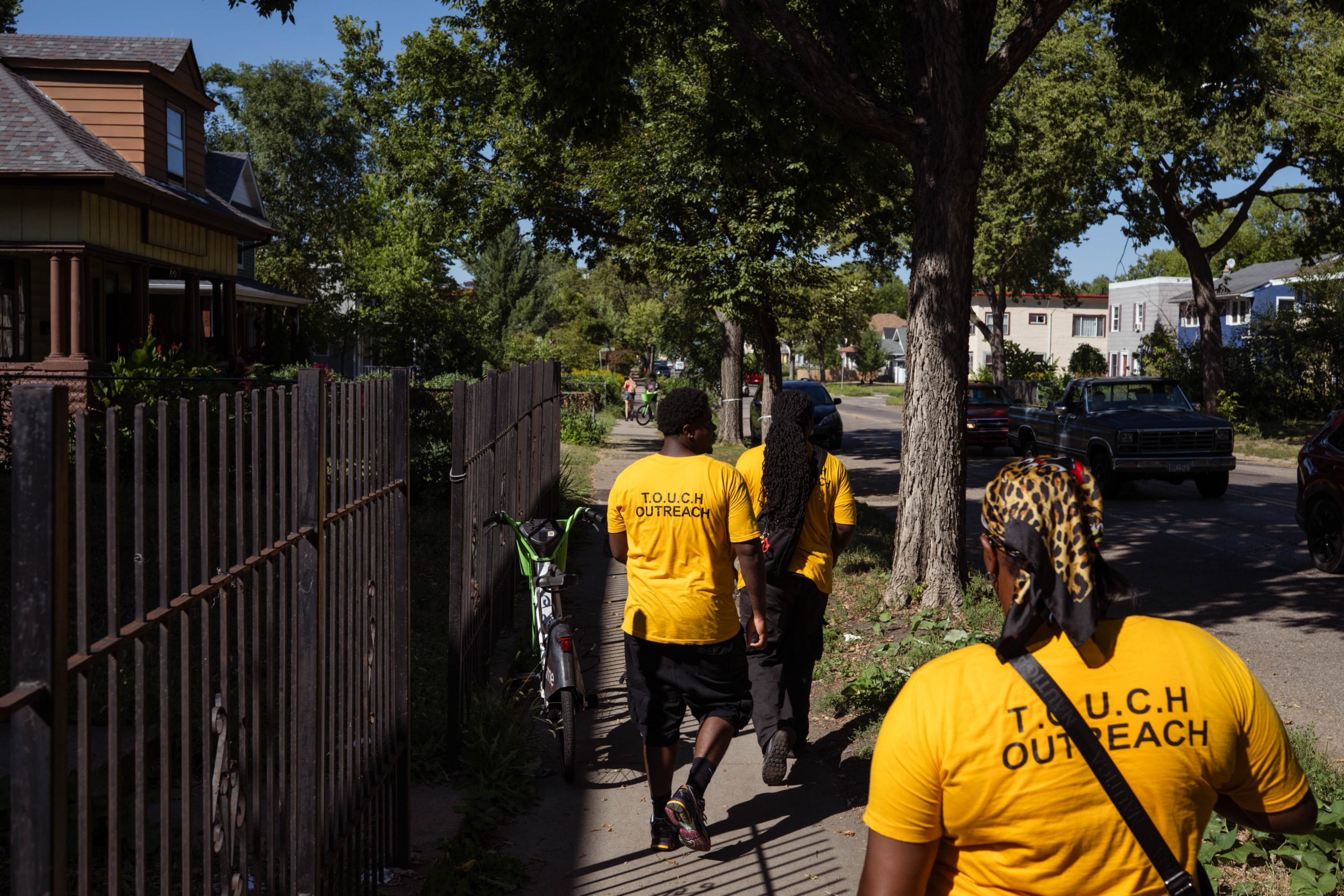
Violence interrupters are trusted members of the community trained to de-escalate conflicts, interrupt cycles of violence and connect people at highest risk with services and support. They can reach people and situations that traditional public safety systems often cannot, intervening before a conflict becomes a shooting.
This work is often little understood outside the communities that benefit from it directly. That’s partly because when violence interruption works, there is no 911 call. There are no flashing lights. There isn’t a crime scene on the evening news.
There is simply a shooting that never happens.
And that work depends on something government cannot manufacture overnight: trust. Violence interrupters build relationships over months and years with people at the greatest risk of shooting someone or being shot themselves. Cutting these programs risks dismantling relationships and community capacity that can take years to rebuild.
That matters especially in communities disproportionately affected by gun violence. In 2025, Black Minnesotans accounted for 41% of gun-homicide victims despite making up less than 10% of Minnesota’s population.
Minneapolis has made some progress in reducing gun violence from its pandemic-era peak, including in neighborhoods served by the very programs now facing cuts. But violence remains far above pre-pandemic levels. The recent shooting downtown is a stark reminder that progress does not mean the work is finished.
This is not the moment to retreat from prevention.
Community Voices: Frey’s proposed budget looks for cost savings in the wrong places
Other cities are demonstrating what can happen when leaders take a comprehensive approach. Chicago invested $100 million in violence prevention in 2025, a year when homicides fell to their lowest level since 1965. Baltimore has sustained its Safe Streets program for nearly two decades and recently experienced historic declines in violence.
These cities aren’t relying on one strategy alone. They recognize that effective public safety requires law enforcement, community violence intervention, social services and targeted outreach to people at highest risk.
That should be Minneapolis’ approach as well.
Mayor Frey has consistently demonstrated his willingness to invest in traditional law enforcement, spending $31 million on police overtime last year alone while cutting complementary public safety programming.
This isn’t an argument against police. Violence interrupters are not substitutes for police officers, and police officers are not substitutes for violence interrupters. They perform fundamentally different roles.
Police respond to crimes, investigate shootings and hold people accountable. Community violence intervention works upstream, trying to prevent the next shooting from occurring in the first place.
A serious public safety strategy needs both.
Related: In passing assault weapons ban, Minnesota Senate DFL shows unified front
Every program receiving public dollars should be held accountable for results. We should measure outcomes, demand effective management and make improvements where programs fall short. But accountability should lead to stronger programs, not cuts that risk destroying the relationships and infrastructure on which prevention depends.
Budgets are statements of priorities.
We know there is no single solution to gun violence. It requires sensible gun laws, effective law enforcement, mental health resources, investments in young people, and strong community-based violence prevention.
Cutting one of those tools doesn’t make Minneapolis safer. It weakens the comprehensive approach our city needs.
The City Council should restore this funding and insist on the accountability necessary to make these programs as effective as possible.
Because the best measure of a public safety system isn’t simply how effectively we respond after someone has been shot.
It’s how many shootings we prevent from happening in the first place.
Maggiy Emery is the executive director of Protect Minnesota, a statewide gun violence prevention organization.
The post Public safety means preventing violence before it happens appeared first on MinnPost.
Originally reported by MinnPost by By Maggiy Emery. Read the full story at the source.
Comments
No comments yet. Be the first to share your thoughts.
Leave a Comment